
Updated August 2026
Searching for “logging companies near me” is easy. Choosing the right company for your land takes more thought.
A timber harvest can affect your property for years. The right logger can help you earn income from timber, improve access, prepare land for future use, or support a healthier stand. The wrong fit can leave you with unclear expectations, avoidable property damage, or a project that does not match what you wanted from the land.
At Day Logging, we have worked across Maine and New Hampshire for decades. We know landowners often begin with a simple online search and then face a much harder question: How do you tell which company is prepared to handle your specific property well?
These seven steps will help you narrow the field, compare logging companies clearly, and start your project with better questions.
1. Start With Your Goals Before Searching for Logging Companies Near Me
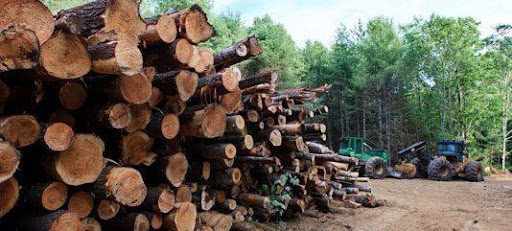
Before you compare companies, decide what you want the harvest to accomplish.
Some landowners want to generate income from standing timber. Others want to improve forest health, open a homesite, clear storm-damaged trees, create trails, improve wildlife habitat, or prepare a property for future development. Many projects involve more than one goal. Maine Forest Service notes that woodlot owners may manage their land for aesthetics, firewood, recreation, wildlife, forest health, property value, or forest products.
Write down your priorities before you begin calling companies. Ask yourself:
- Do I want a timber harvest, lot clearing, or both?
- Do I want to keep the property forested?
- Are there trails, wetlands, stone walls, views, or sensitive areas I want protected?
- What should the property look like when the work is complete?
- Do I need trucking, cleanup, or forestry mulching after cutting?
A logger cannot build the right plan around a goal that has never been explained. Clear priorities also make it easier to compare proposals because you can judge each company against the same desired outcome.
Our wood harvesting services cover mechanical and manual cutting, while our lot clearing services address projects where land must be prepared for a different use. Knowing which outcome you need is the best place to start.
2. Ask Local Foresters and Woodland Organizations for Names
Online search results are useful, but they should not be your only source.
A licensed consulting forester can help a landowner define goals, evaluate timber, prepare a sale, compare bids, and oversee a harvest. Maine Forest Service provides landowner education through its Be Woods Wise resources, while UNH Cooperative Extension maintains information for New Hampshire woodlot owners and a directory of licensed foresters.
Local woodland-owner groups, foresters, sawmills, and trusted neighbors may also know which logging companies regularly work in your area. Ask for more than one name. A referral is a starting point, not a substitute for checking the company yourself.
When gathering referrals, ask specific questions:
- What kind of project did the company complete?
- Was communication clear?
- Did the final condition match the agreement?
- Were roads, landings, and property features handled properly?
- Would the landowner hire the company again?
A logger who did strong work on a property like yours is more useful than a name passed along without context.
3. Look for Experience That Matches Your Property
Not every logging company is set up for every job.
A contractor who mainly handles large commercial harvests may not be the best fit for a small, sensitive woodlot. A company focused on tree removal around buildings may not have the equipment, trucking capacity, or timber-market relationships needed for a full harvest.
When reviewing timber harvesting companies near me, look at the work they actually do. Check whether they regularly handle:
- Selective harvests
- Mechanical or manual cutting
- Lot and land clearing
- Steep, wet, or limited-access properties
- Storm-damaged stands
- Timber sorting and hauling
- Post-harvest cleanup
- Forestry mulching
Ask how the company would approach your site and why. Good answers should connect equipment and methods to your land, not just list the machines the company owns.
We handle our own trucking on logging jobs, which gives us more control over timber movement and project coordination. Our logging process also includes different cutting and processing methods because the right approach depends on the stand, terrain, forest products, and landowner goals.
4. Check Credentials, Insurance, and Professional Standing
A polished website is not enough.
Ask whether the company carries appropriate liability insurance and workers’ compensation coverage. Request proof before work begins. You should also ask about training, certifications, and professional affiliations that apply to the company or crew.
Certification does not replace judgment, but it can show that a logger has chosen to meet outside standards for safety, professionalism, and responsible harvesting. Day Logging has long emphasized professional training, safety, sustainable practices, and Master Logger certification as parts of our approach.
Landowners should also understand the role of a forester. In New Hampshire, foresters who offer professional services to private landowners for compensation must be licensed. A forester may represent the landowner in planning and administering a timber sale, while a logger or timber buyer may be purchasing and harvesting the wood. Those roles can overlap in conversation, but they are not automatically the same.
Ask each person involved whom they represent, what they are responsible for, and how they are paid. Clear roles reduce confusion later.
5. Visit a Recent Job or Ask for Comparable References
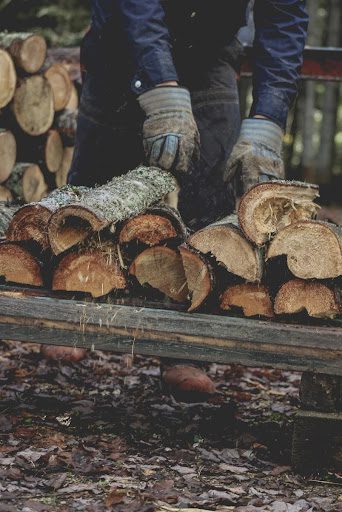
Reviews can help, but forestry work is easier to judge when you can see the result.
Ask a potential logger for references from landowners with projects similar to yours. When possible, ask whether you can view a completed or active job with permission from the property owner.
Look beyond whether trees were removed. Consider:
- How organized are the landing and access areas?
- Are remaining trees unnecessarily damaged?
- How were skid trails placed?
- Are wet areas and water flow being managed?
- Is slash handled in a way that fits the landowner’s goals?
- Does the site look consistent with the agreed finish?
A recently completed harvest will not look like an untouched forest. Logging involves heavy equipment, traffic, and visible change. The question is whether the work appears planned, controlled, and consistent with the property’s next use.
References also reveal how the company communicates when conditions change. Weather, markets, ground conditions, and equipment needs can affect a harvest. You want a company that explains those changes instead of leaving you guessing.
6. Compare the Whole Proposal, Not Just the Timber Price
The highest offer is not always the best result.
A timber proposal may differ in how trees are selected, how payment is calculated, what products are included, how long the work may take, who handles access, and what cleanup is expected. One company may offer more money but leave more work or risk to the landowner. Another may include services that produce a better overall outcome.
UNH Cooperative Extension recommends using a written timber-sale contract because a timber sale involves markets, tree values, laws, liability, ground conditions, and environmental concerns. In New Hampshire, written contracts are legally required for qualifying timber sales. A strong agreement should clearly address responsibilities, payment, harvest boundaries, access, restoration, insurance, and protection of the remaining stand.
Before choosing a company, compare:
- The trees or area included in the harvest
- The payment method and schedule
- How timber volume will be measured
- The expected start and completion window
- Seasonal or ground-condition limits
- Responsibility for permits and notifications
- Proof of insurance
- Protection of roads, trails, fences, walls, and utilities
- Cleanup and restoration expectations
- What happens if conditions or markets change
Do not rely on a handshake for important terms. A written agreement protects both sides and gives everyone the same plan to follow.
7. Pay Attention to Communication Before You Sign
The way a company communicates before the job often tells you what working together will feel like later.
A dependable logger should be willing to walk the property, listen to your goals, explain the proposed approach, and answer practical questions without rushing you. You should understand what the company plans to do, what it needs from you, and what decisions remain open.
Watch for warning signs such as:
- Pressure to sign before you understand the terms
- Vague answers about payment or cleanup
- No proof of insurance
- Unclear harvest boundaries
- Promises that sound too simple for the property
- Little interest in your long-term goals
- No written agreement
Strong communication does not mean every answer will be immediate or every estimate will stay unchanged. Forestry work depends on real site and market conditions. It does mean the company should be honest about those variables and keep you informed.
Transparency has always been central to how we work. Our values emphasize fairness for our clients, team, environment, and business. That starts with getting everyone on the same page before cutting begins.
Questions to Ask Timber Harvesting Companies Near Me
Once you have a short list, use the same questions with each company. That makes comparison easier.
When interviewing timber harvesting companies near me, ask:
- Have you completed projects like mine?
- Who will plan and supervise the harvest?
- Are you insured, and can you provide documentation?
- What certifications or professional training does your team hold?
- How will trees or harvest boundaries be identified?
- How will timber be measured and payment documented?
- Who handles required notifications or permits?
- How will you protect access roads, water, and remaining trees?
- What cleanup or restoration is included?
- Can you provide recent references?
You do not need to know every forestry term before asking these questions. A qualified company should be able to explain the answers in plain language.
Why Local Knowledge Matters in Maine and New Hampshire
Local experience helps a logger understand regional species, mill markets, seasonal ground conditions, road access, and state requirements.
In Maine, timber harvesting generally requires a Forest Operations Notification from the landowner or designated agent before work begins. New Hampshire has its own notice, tax, contract, and timber-harvesting requirements. The details depend on the property and project, so landowners should not assume the process is identical across state lines.
A company that regularly works in your area should understand which questions need to be addressed early. It should also know when a forester, municipal office, state agency, or other professional needs to be involved.
Local knowledge matters after the trees are cut too. A company with established trucking and mill relationships is better positioned to move different forest products efficiently. Our team works throughout Maine and New Hampshire, provides trucking services, and handles trucking directly on our logging jobs.
Looking for Logging Companies Near Me in Maine or New Hampshire?
Searching for logging companies near me should lead to more than a list of names. It should lead to a partner who understands your goals, explains the work clearly, and treats the long-term condition of your land as part of the job.
We have spent decades building Day Logging around fairness, hands-on service, responsible harvesting, and doing things correctly the first time. Whether you are considering a timber harvest, preparing a lot, or trying to understand what your woodlot can support, we are ready to talk through the property with you.
Explore our wood harvesting services or contact us to start the conversation.